
Microneedling in the Quad Cities: What It Is, How It Works, and Where to Start
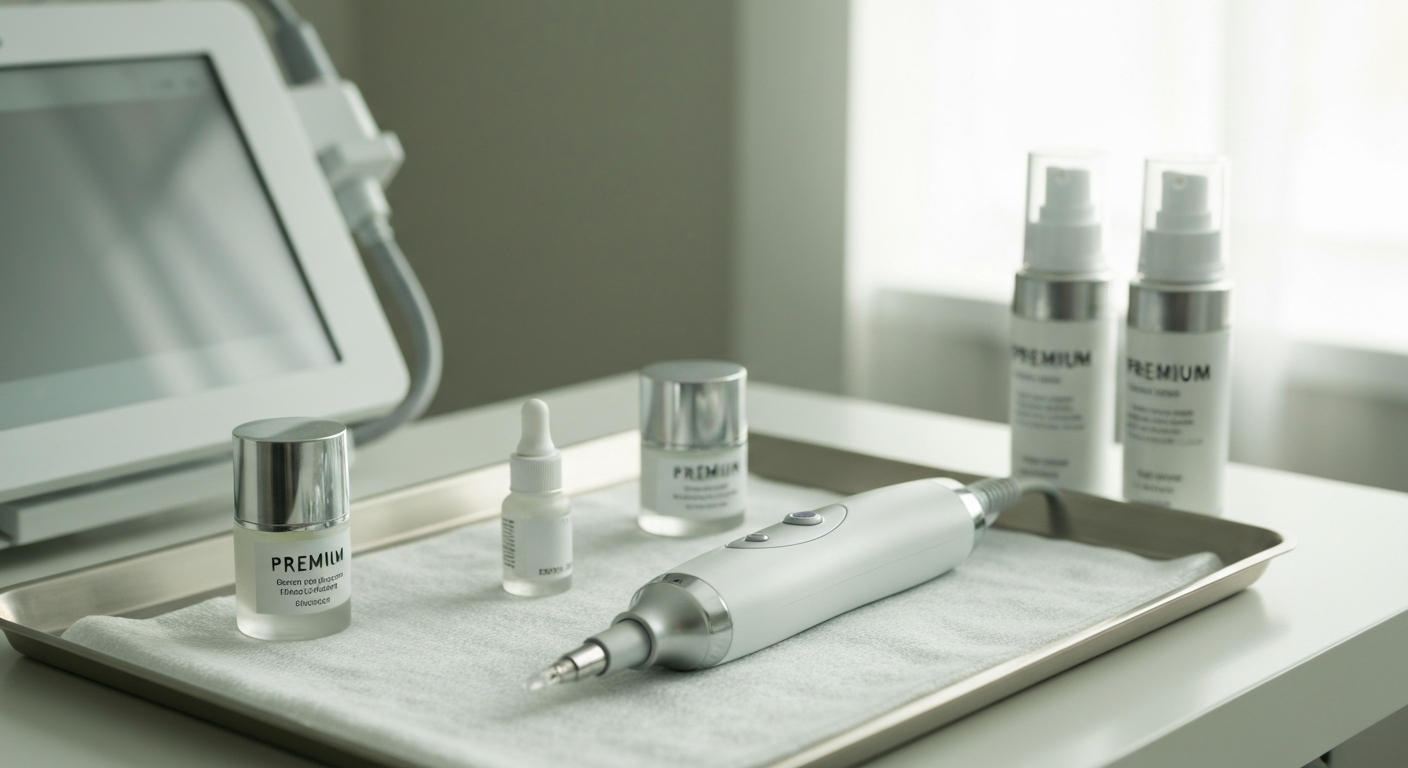
If you've been scrolling through skincare TikTok or chatting with friends about glowing skin, chances are you've heard about microneedling. It's one of the most talked-about treatments in the Quad Cities right now — and for good reason.
Whether you're dealing with acne scars, uneven texture, or just want that "glass skin" look, microneedling might be exactly what you need. But here's the thing: not all microneedling is the same. And finding the right provider in the Quad Cities area — whether you're in Davenport, Bettendorf, Moline, or Rock Island — matters more than you think.
In this guide, we're breaking down everything you need to know about microneedling in the Quad Cities — no medical jargon, no sales pitch. Just straight answers.
What Is Microneedling, Exactly?
Microneedling (also called collagen induction therapy) is a minimally invasive skin treatment that uses tiny, sterile needles to create micro-injuries in the skin. These micro-injuries trigger your body's natural healing response, which ramps up collagen and elastin production.
"Collagen is the protein that keeps your skin firm, plump, and youthful. As we age — starting in our mid-20s — our body produces less of it. Microneedling gives that process a serious boost."
The treatment is typically done on the face, but it can also be used on the neck, décolletage, hands, and even areas with stretch marks or scars.
What Does Microneedling Help With?
Microneedling isn't a one-trick pony. It addresses a wide range of skin concerns, which is why it's become so popular across the Quad Cities and surrounding areas:
✨ Texture & Tone
- • Uneven skin tone (hyperpigmentation, sun spots, melasma)
- • Large pores (visibly reduces pore size)
- • Skin texture (rough, dull skin becomes smoother)
⏳ Scars & Aging
- • Acne scars (especially ice pick and rolling scars)
- • Fine lines and wrinkles (around eyes, mouth, forehead)
- • Stretch marks (on the body, not just the face)
How Does the Treatment Work?
Here's what a typical microneedling session looks like:
- Consultation: Before anything happens, you'll have a consultation with a qualified provider. They'll assess your skin, discuss your goals, and determine if microneedling is right for you.
- Numbing: A topical numbing cream is applied to the treatment area. Most people say this makes the procedure very comfortable — you'll feel some pressure and vibration, but sharp pain is rare.
- The Treatment: The provider uses a microneedling device to glide over your skin. The tiny needles penetrate the skin at a controlled depth, creating thousands of micro-channels.
- Serum Application: After the needling, a hydrating serum or growth factor serum is applied. Because your skin has thousands of micro-channels, it absorbs these products much more effectively than usual.
- Recovery: Your skin will be slightly red (like a mild sunburn) for 24-48 hours. Most people are back to normal activities within a day or two.
Microneedling vs. At-Home Derma Rollers
Professional microneedling uses medical-grade devices that create precise, consistent micro-channels at the right depth for your skin type. At-home derma rollers, while affordable, have shorter, less precise needles and can actually cause micro-tears in the skin if used incorrectly. There's also a higher risk of infection.
For best results — and for safety — professional microneedling is always the better choice.
How Many Sessions Do You Need?
Most people start seeing noticeable improvement after 2-3 sessions, but optimal results typically require 4-6 sessions spaced 4-6 weeks apart.
Think of it like going to the gym — one session won't transform you, but a consistent routine over a few months will. Your provider in the Quad Cities area can create a personalized treatment plan based on your specific skin concerns.
What About Microneedling with PRP?
You might have heard of the "vampire facial" — that's microneedling combined with PRP (Platelet-Rich Plasma). PRP is derived from your own blood and contains growth factors that can enhance the results of microneedling.
The process involves drawing a small amount of blood, spinning it to separate the PRP, and applying it to your skin during the microneedling procedure. It sounds intense, but it's actually very popular in Eldridge, Moline, and across the QC area. PRP microneedling can produce faster, more dramatic results — but it also costs more.
What to Look for in a Quad Cities Microneedling Provider
Choosing the right provider is crucial. Here's what to look for in the Quad Cities area:
- Proper licensing and training — make sure your provider is certified in microneedling
- Medical-grade equipment — FDA-cleared devices like Dermapen, SkinPen, or similar
- Clean, professional environment — this should be obvious, but it's worth mentioning
- Thorough consultation — they should assess your skin and discuss realistic expectations
- Transparent pricing — no hidden fees, clear treatment packages
How Much Does Microneedling Cost in the Quad Cities?
Microneedling pricing in the Quad Cities typically ranges from $150 to $400 per session, depending on the provider, the area being treated, and whether any add-ons (like PRP or serums) are included.
Many providers offer package deals — buy 3 sessions, get the 4th at a discount, for example. If you're committing to a full treatment series, ask about package pricing.
Aftercare Tips
What you do after your session is just as important as the treatment itself. Here are some aftercare basics:
Keep it clean
Avoid the sun
Stay hydrated
No active ingredients
Microneedling for Acne Scars: A Closer Look
Acne scars are one of the most common reasons people in the Davenport-Bettendorf area seek out microneedling. And it makes sense — acne scars can stick around long after the breakouts have stopped, affecting confidence and how you feel about your skin.
Microneedling is particularly effective for two main types of acne scars:
- Rolling scars — these create a wavy, uneven texture on the skin. Microneedling breaks up the fibrous bands beneath the skin that cause this rolling appearance.
- Boxcar scars — these are wider, shallow depressions with defined edges. Microneedling stimulates collagen production that gradually fills in these depressions.
- Ice pick scars — these are narrow, deep scars. Microneedling can help, but they often respond better to a combination approach, like pairing with laser treatments.
Seasonal Considerations in the Quad Cities
Living in the Quad Cities means dealing with some serious weather — hot, humid summers and cold, dry winters. Both extremes can affect your skin and your microneedling treatment plan.
Summer months (June-August): Sun exposure is higher, which means your skin is more vulnerable after microneedling. If you get treated during summer, you'll need to be extra diligent about sunscreen (SPF 30+ daily, no exceptions).
Winter months (December-February): This is actually an ideal time for microneedling. You're naturally spending less time in the sun, your skin is often drier from indoor heating, and the collagen boost can help combat winter dullness. Plus, by the time spring rolls around, your skin will look incredible.
Ready to Get Started?
Whether you're in Davenport, Bettendorf, Moline, Rock Island, or anywhere in the Quad Cities, finding the right microneedling provider doesn't have to be overwhelming.
Book Your Consultation